I recently came across another tunic from the Royal Marine Light Infantry (RMLI), which peaked my interest after having researched the tunic to Pte Robert Downing RMLI.
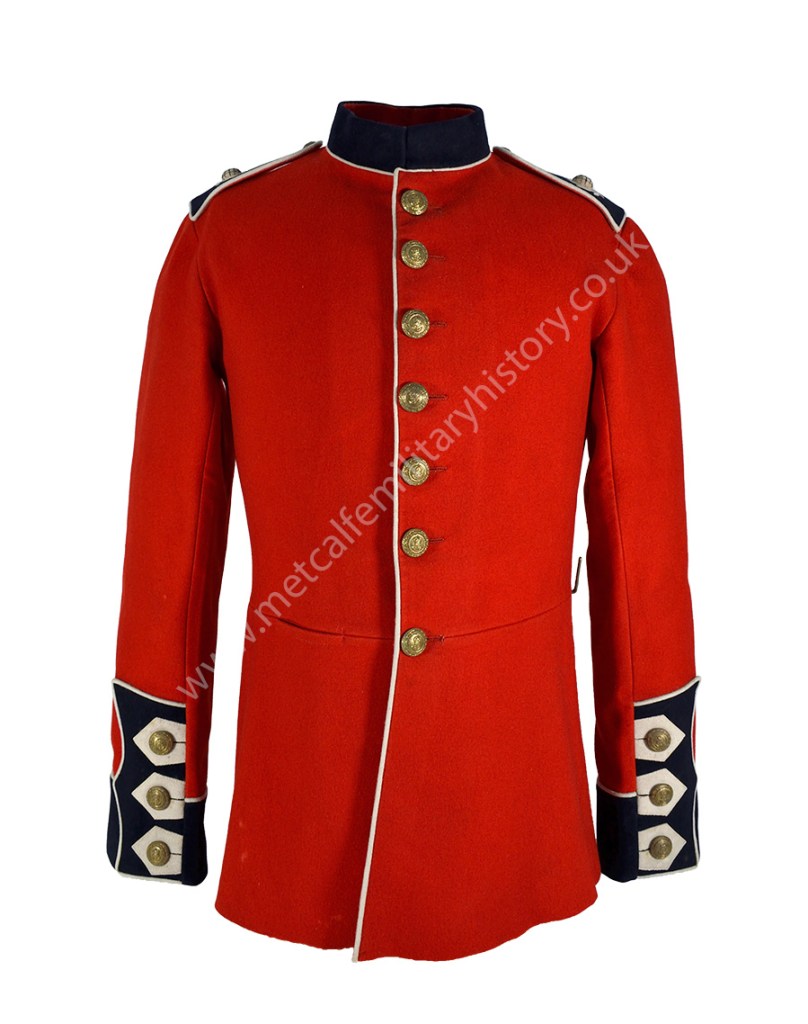
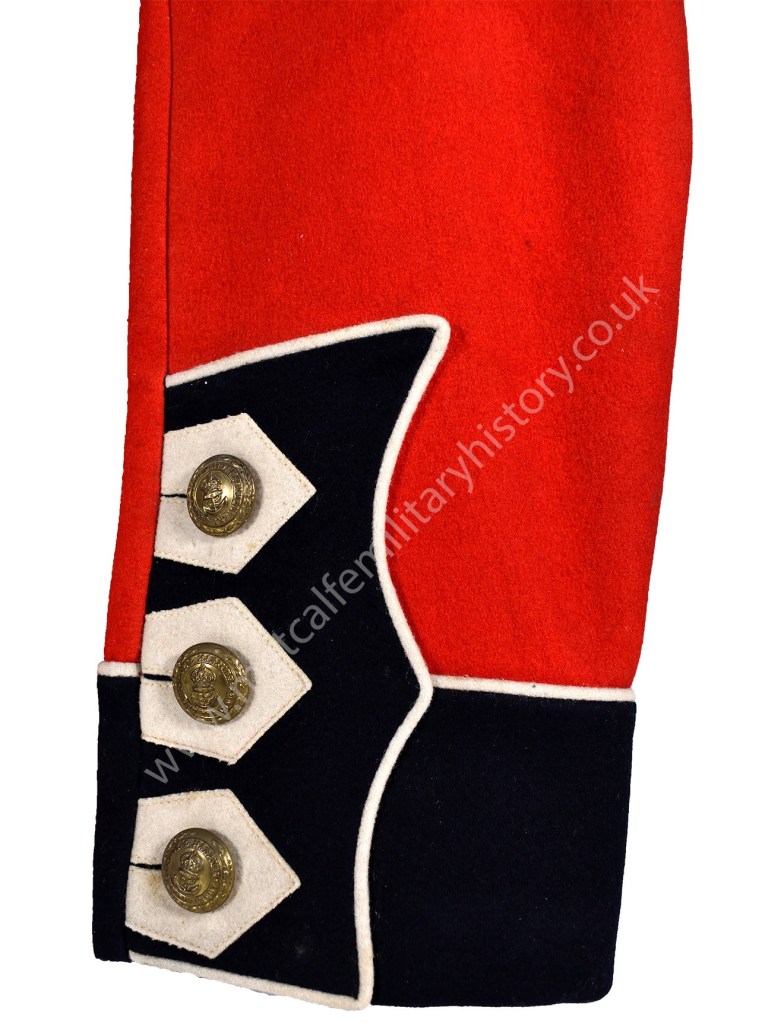
This is the later version, introduced in November 1903 (but not to be implemented until April 1904) and worn until the amalgamation of the Royal Marine Light Infantry and Royal Marine Artillery (RMA) in 1923. The most noticeable difference in these patterns being the change in the cuff detailing, moving to a “slash” cuff.
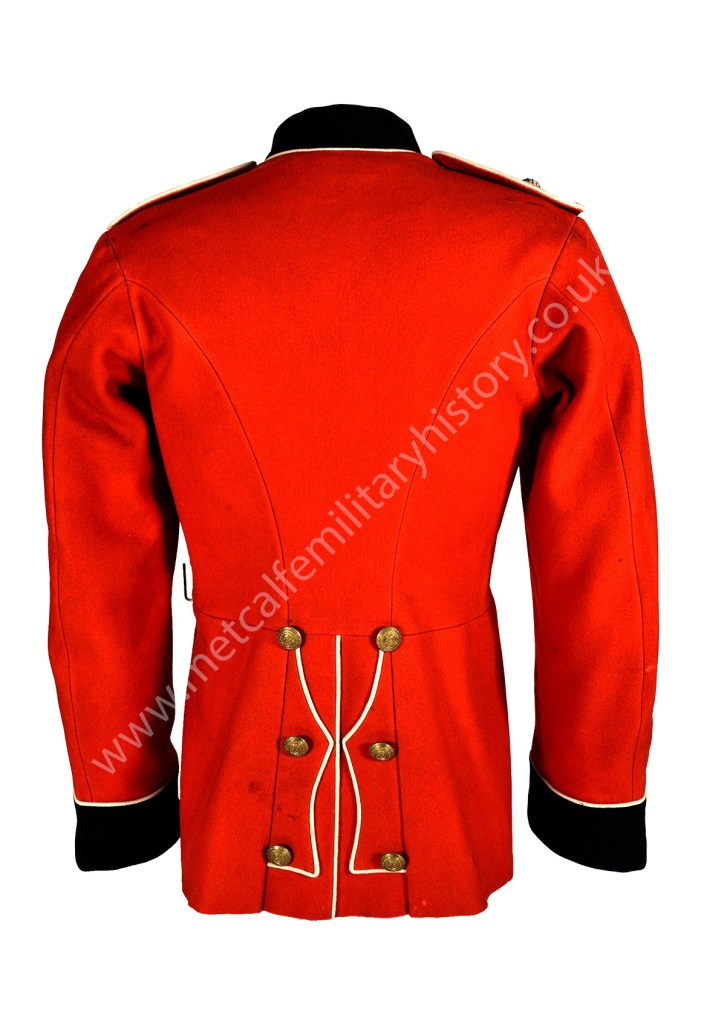

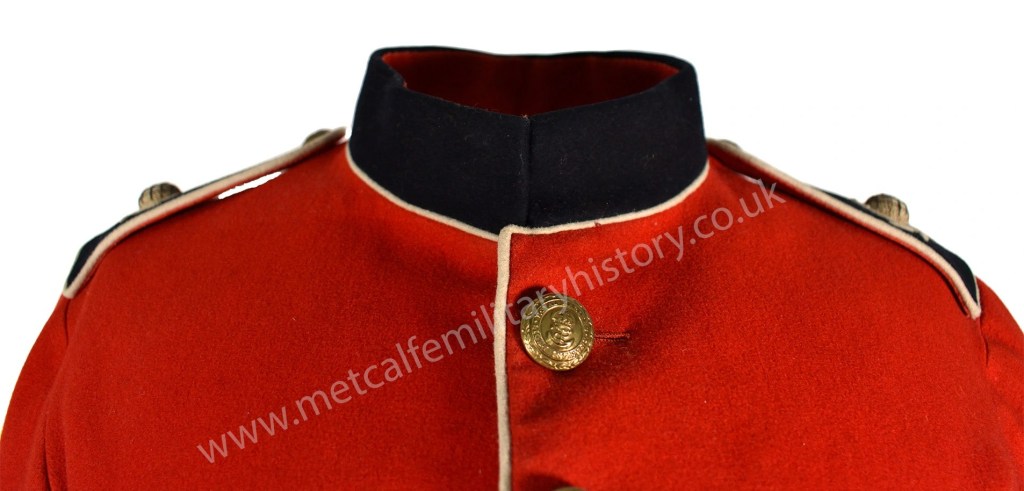
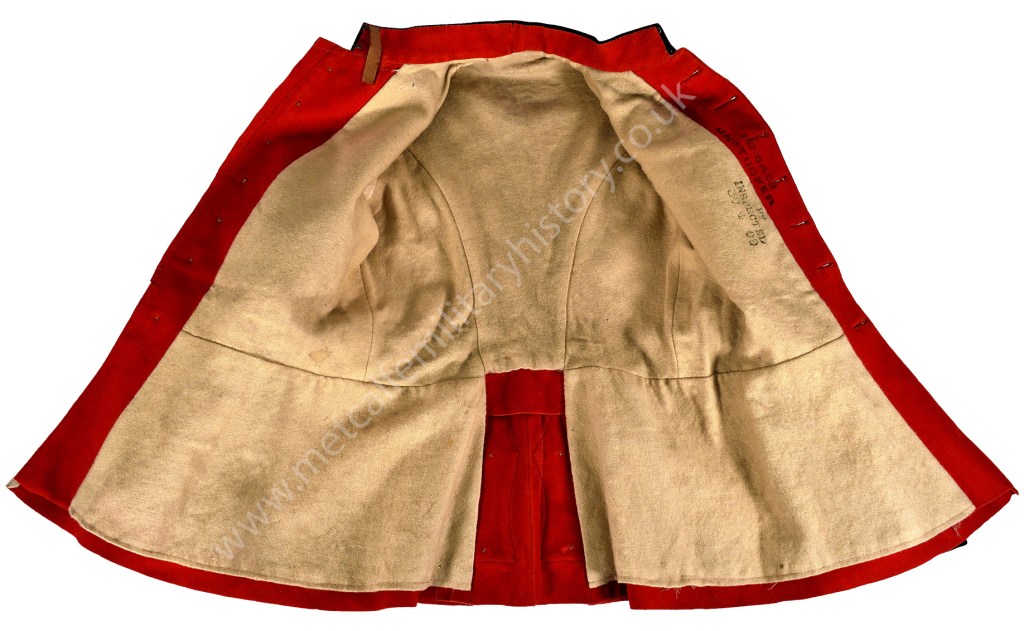
The tunic is stamped inside with “PO INSPECTED 30 4 09” showing that it had been inspected and accepted into service on 30th April 1909 by the Portsmouth Division. Another stamp “PO ISSUED ?? 09” shows it was issued to a Marine of the Portsmouth Division in 1909.
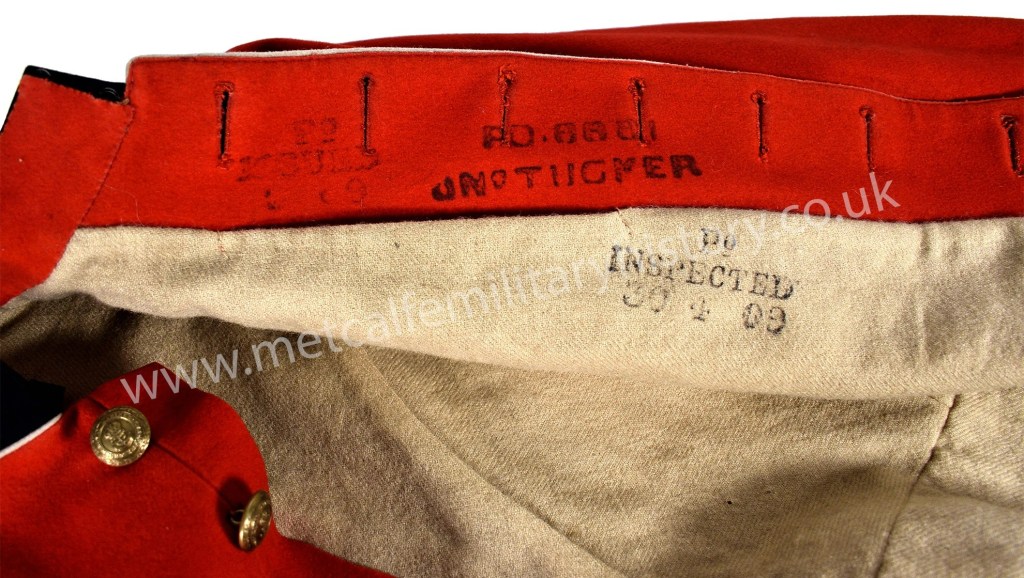
The Marine in question also has his details stamped into the tunic “PO.8881 JNO TUCKER”. Using the handy search facility on The National Archives website, I was quickly able to identify the man as PO/8881 Private John Tucker of the Portsmouth Division, Royal Marine Light Infantry.
PO/8881 Pte John Tucker
John Tucker was born on 8th October 1877 in Emsworth, Hampshire. The decision to join the Marines may have been influenced by his father, who had served with the 8th Regiment of Foot during the Indian Mutiny of 1857-9.
Although John was born in Emsworth, it would appear that most of his childhood was spent growing up in Titchfield, Hampshire. Up until his enlistment at Gosport into the RMLI on 8th January 1897, John had been working as a farm labourer.
John was sent straight to the Recruit Depot at Walmer (Deal) in Kent where he undertook his basic training. After this initial training he was transferred to the Portsmouth Division on 29th September 1897.
It was whilst at Portsmouth John passed his Sea Service Gunnery in May 1898, which would allow him to join a gun crew on-board a ship. This he duly did the following month when he joined the crew of HMS Alexandra, a central battery ironclad. His service record allows us to follow his career and shows his subsequent postings to HMS Seahorse, HMS London, HMS Royal Arthur, HMS Harrier, HMS Racer and HMS Melpomene.
The Great War
When Britain entered the Great War on 4th August 1914, Pte Tucker was immediately posted to the Royal Marine Brigade as part of the Portsmouth Battalion, which would form part of the British Expeditionary Force. However, drab uniforms were in short supply, so John and his comrades proceeded overseas wearing their blue working uniforms. The battalion arrived at Ostend, Belgium on 27th August, but at midnight on 30th, the whole brigade was ordered to return to the UK immediately. This was achieved by the next day, after having only been overseas for 5 days.
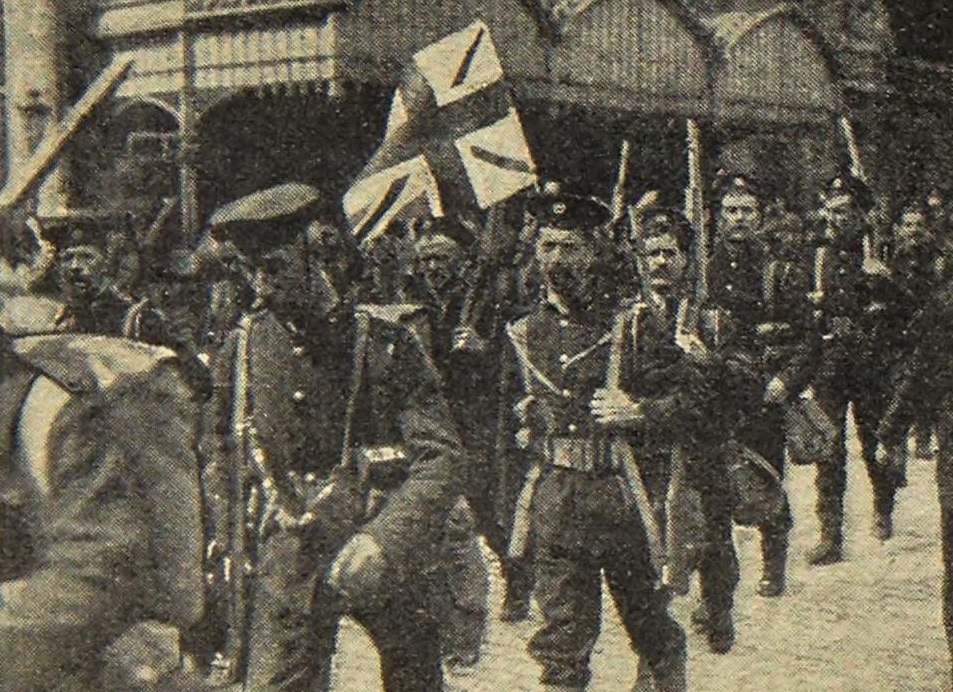
Pte Tucker remained with the Portsmouth Battalion, and it’s likely he arrived at Dunkirk with them on 20th September 1914. Soon after, they were sent to assist in the defence of Antwerp, seeing their first action on 4th October. Antwerp was of significant tactical value to Britain for supplies and defending the channel.
Nothing is known of John Tucker’s part in these actions, but he was one of the lucky ones who escaped Antwerp when it fell and was able to make it back to the UK with the remains of the brigade, which returned on 12th October. Service records show that John remained with the Portsmouth Battalion until 7th November 1914.
HMS Leviathan
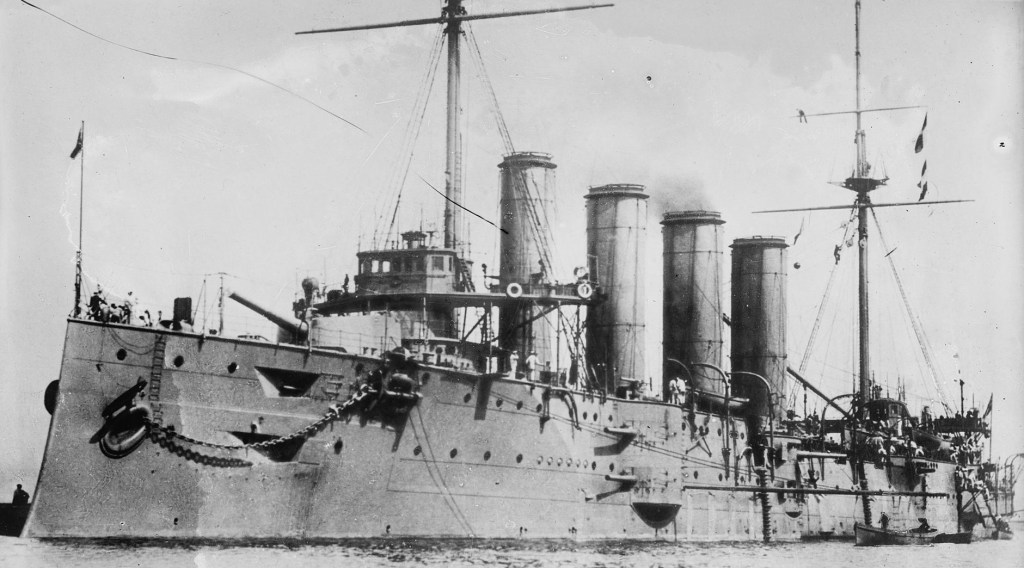
After his short stint serving on land, Pte Tucker returned to sea on 8th November 1914, when he joined HMS Leviathan. Part of the 6th Cruiser Squadron, HMS Leviathan was a Drake Class Armoured Cruiser. The ship came under attack by German U-Boat U-12 in March 1915, but this was unsuccessful. For most of his time on-board, the Leviathan was based out of Bermuda.
John was discharged from the Royal Marines on 8th January 1918, after having served continually for 21 years. However, as the war had not yet ended, he was immediately enrolled in the Royal Fleet Reserve (Class A) and continued to serve as before.
In March 1918, John left the Leviathan and returned to the Portsmouth Division, but it is not known if he went overseas or remained in the UK during this period.
HMS Vindictive
On 1st October 1918, John was amongst the very first men to serve on the new HMS Vindictive, joining the ship on the day it was commissioned. The Vindictive had originally been designed as a Heavy Cruiser, but was converted to an Aircraft Carrier whilst being constructed. John did not remain with the Vindictive long as the war came to an end soon after he had joined it.
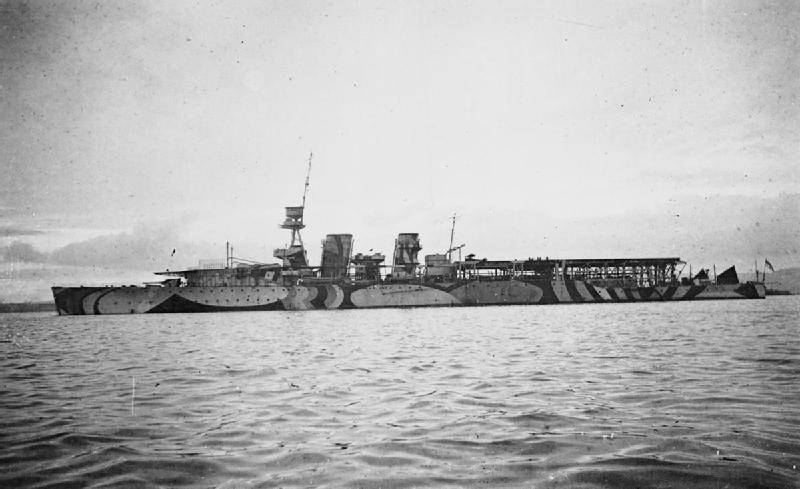
He left the ship in February and was eventually demobilised on 26th March 1919, but remained with the reserve until 1923.
At some stage (most likely 1919), he signed up as a merchant seaman, but this did not last more than a year or so. Luckily for us though, this does mean we have a picture of John Tucker from his merchant seaman record card.
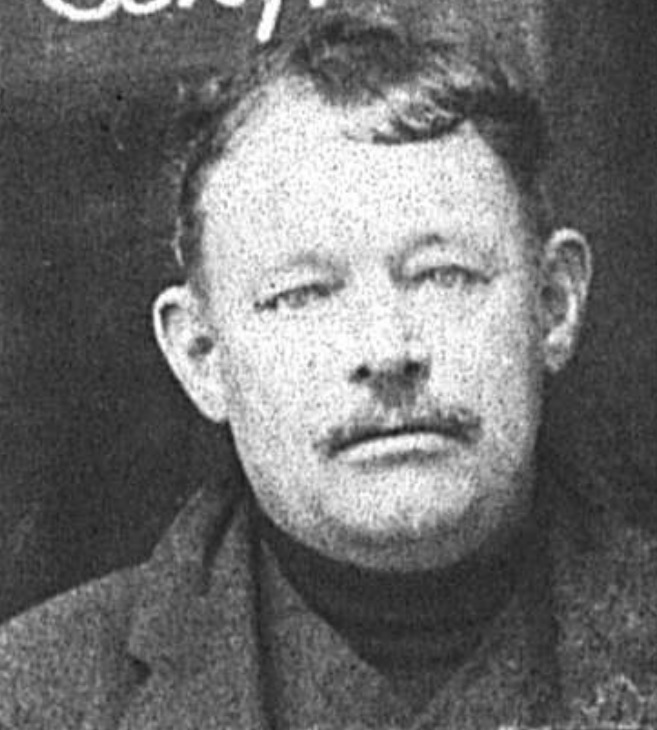
After the war, John returned to Hampshire where he married Helen Kersley at South Stoneham in 1920. John soon settled and became an orderly at the Royal Victoria Netley Hospital. He died on 22nd March 1953.
For information on the Pre-1904 tunic worn by the Royal Marine Light Infantry, please see my previous post on the tunic of Pte Robert Downing. Victorian Tunic – Royal Marine Light Infantry.
 Metcalfe Military History
One thought on “Royal Marine Light Infantry Tunic – Post 1903”