During the Great War, all men of suitable age in Britain were expected to ‘do their bit’. Stories of non-uniformed men being handed white feathers and branded cowards are well-known.
To prevent such occurrences, badges were handed out to munitions workers and those on war work to show that they were contributing despite not being in uniform. But what about those who had been discharged from the forces due to wounds or illness?
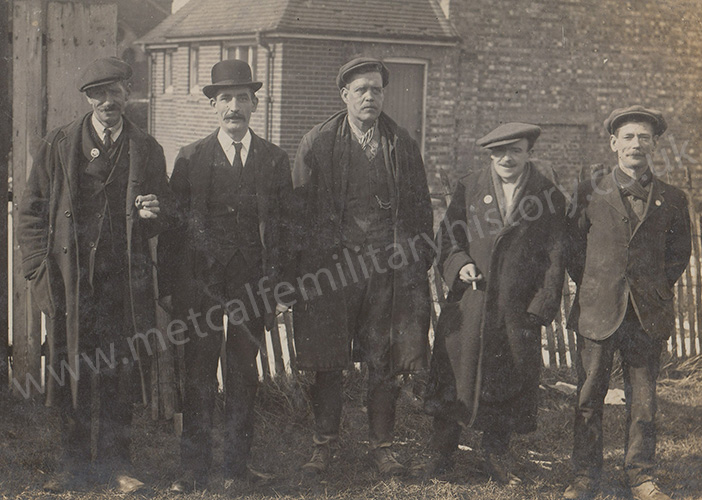
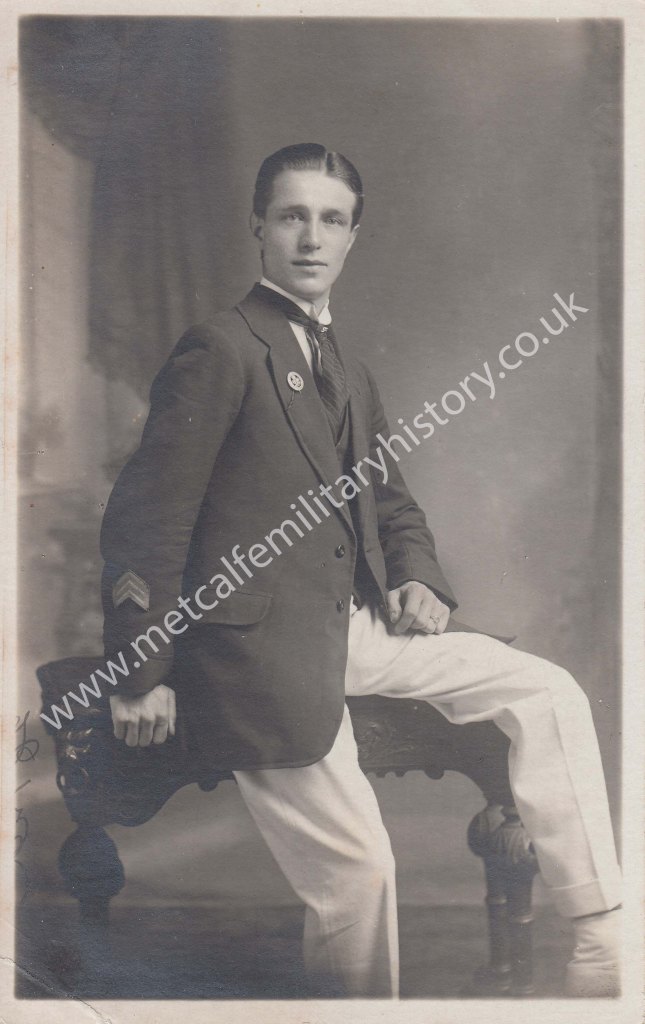
In Army Order 316 of 1916 (published 12th September 1916), the Silver War Badge was introduced for just such individuals.
“His Majesty the King has approved the issue of a silver war badge to officers and men of the British, Indian and Overseas Forces, who have served at home or abroad since the 4th August, 1914, and who on account of age, or physical infirmity arising from wounds or sickness caused by military service have, in the case of officers, retired or relinquished their commissions, or, in the case of men, been discharged from the Army.”
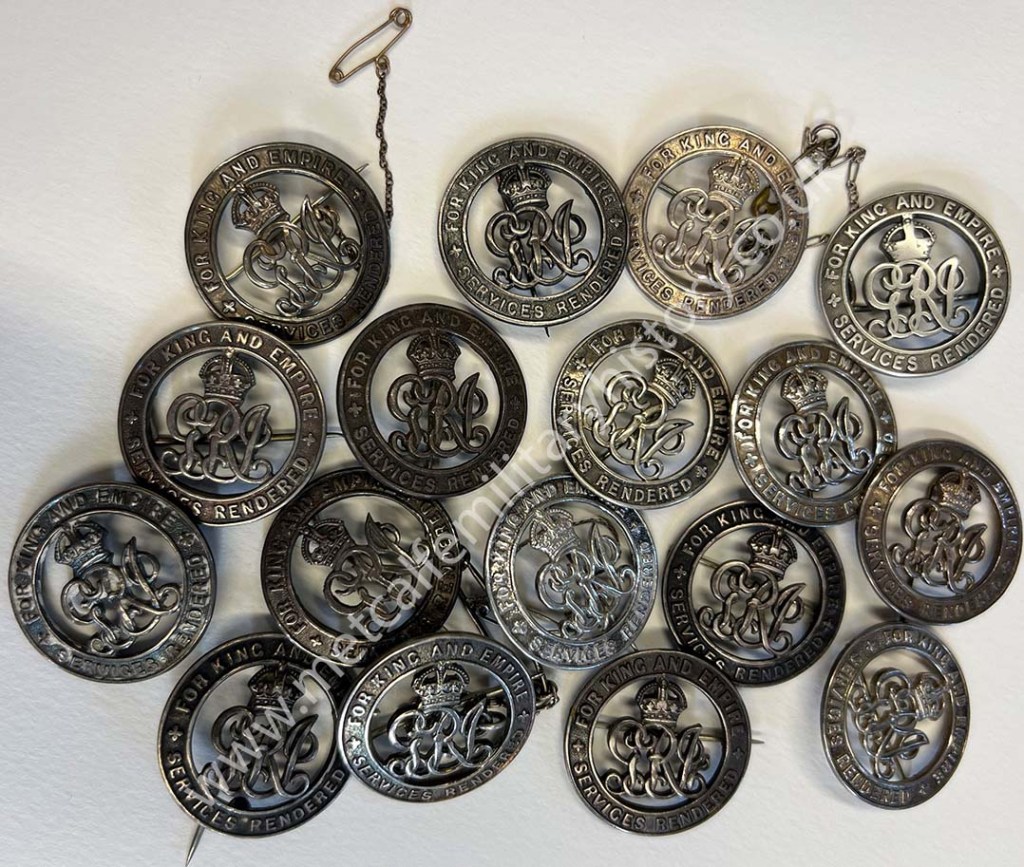
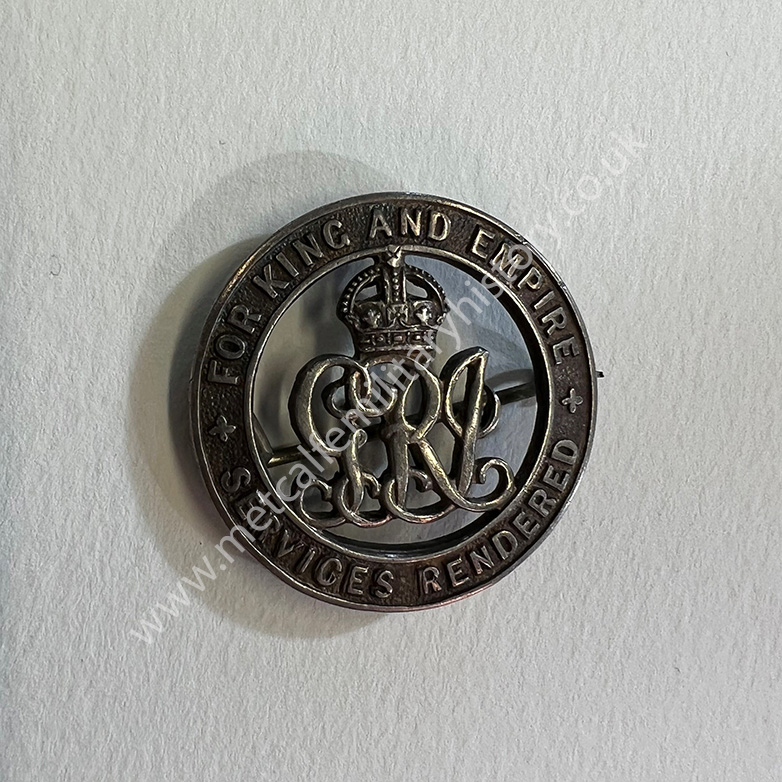
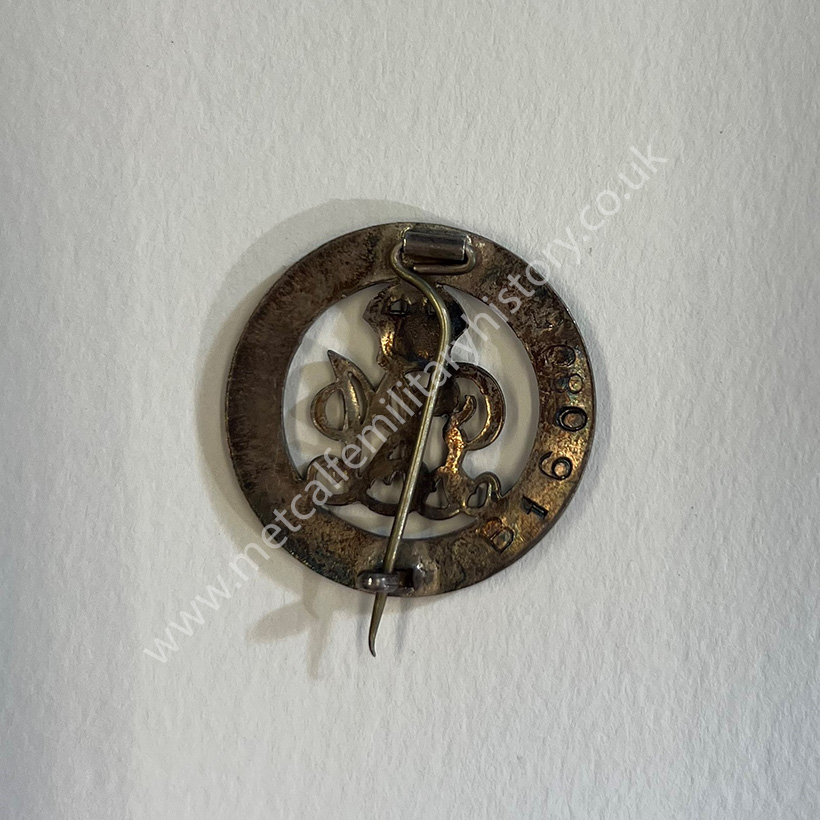
As the name would suggest, the badge was made out of silver and was circular in design. In the centre was the crown and cipher of His Majesty King George V, whilst the circular border bears the words “FOR KING AND EMPIRE” at the top followed by “SERVICES RENDERED” at the bottom. The rear of the badge features a pin to allow it to be worn. Originally this was mounted horizontally, but was later changed to vertically. The badge is commonly and erroneously referred to as the “Silver Wound Badge”.
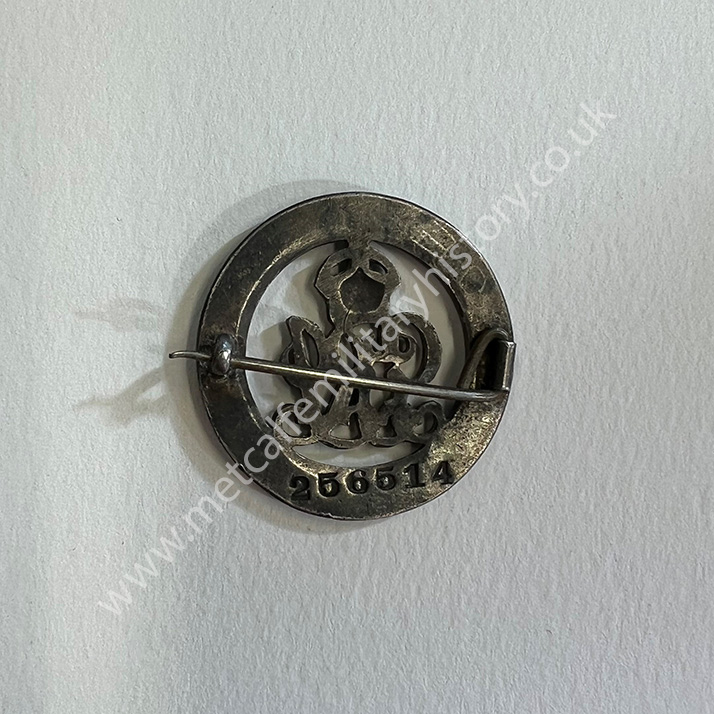
On the rear of the badge was stamped a unique number to the individual who was issued it. Using this number and the original rolls, it’s possible to discover who the badge was awarded to. For badges issued to the British Army, these can be looked up on the digitalised rolls held on Ancestry.co.uk here (subscription required). Alternatively, the rolls can be accessed at The National Archives, Kew under series WO329.
Sometimes the number on the rear of the badge will have a prefix, this can help narrow down who it was issued to as follows:
- A – Australian issue
- B – Later issue badges to the British Army (from 1918)
- C – Canadian issue
- I – Indian issue
- MN – Merchant Navy issue
- N – Newfoundland issue
- NZ – New Zealand issue
- O – Later issue badges to the British Army (from 1919)
- RAF – Royal Air Force issue
- RN – Royal Navy issue
- SA – South African issue
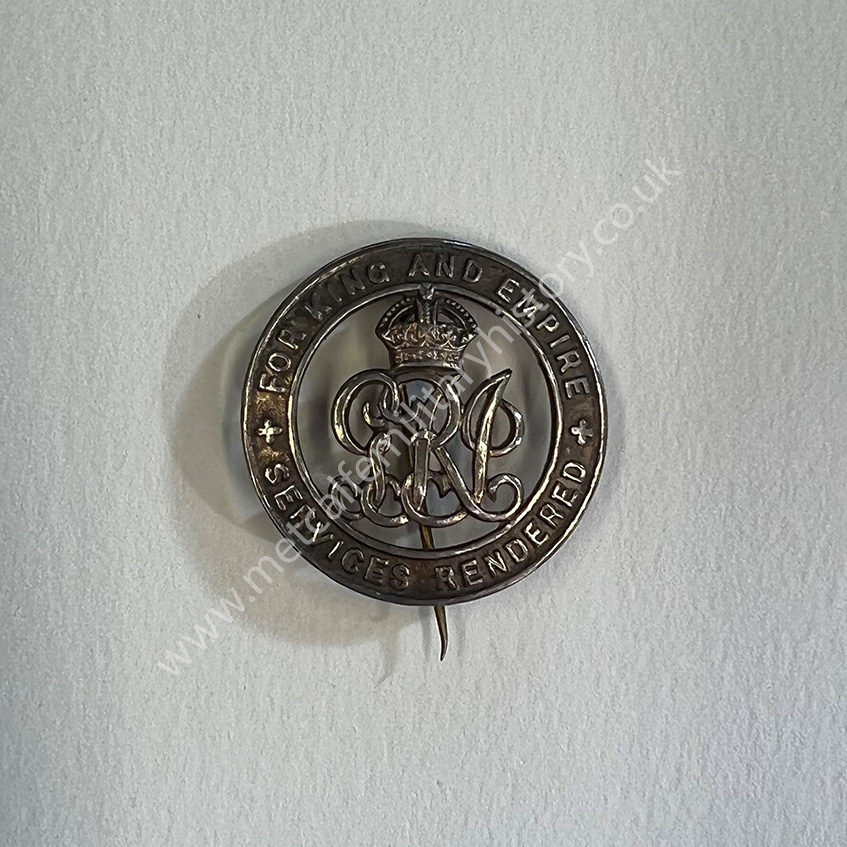
In February 1917, a further Army Order (50 of 1917) was issued with a slight amendment to the award criteria. This added “old” to the age eligibility and stated that all claims were subject to approval by the Army Council.
By September 1917, the eligibility criteria was once again reviewed and updated, with Army Order 265 of 1917 superseding AO 316 of 1916 and AO 50 of 1917. The key updates included:
- Disablement and ill health caused by misconduct was in-eligible for the badge.
- Civilians employed with the Royal Army Medical Corps overseas and resigned due to wounds or sickness were now eligible.
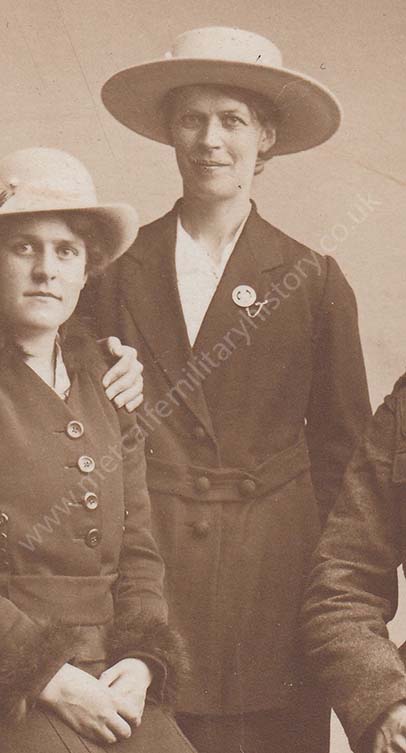
- Nurses and members of the Voluntary Aid Detachments discharged due to old age, wounds or sickness that would render them permanently unfit for further service were also now eligible.
The criteria was once again revised in September 1918 as Army Order 291 of 1918. The key updates in this AO included:
- Men must have served a minimum of seven days in the Army before they were eligible.
- Those employed with the sanction of military authorities and employed with the army overseas who resigned on account of disablement or ill health.
- Female nurses and members of the Voluntary Aid Detachments and Queen Mary’s Army Auxiliary Corps who were discharged due to physical disabilities that made them permanently unfit for further service.
The badge would continue to be issued up until the 31st December 1919 and during this period (1916-1919), over a million badges were issued.
It was also possible for the Silver War Badge to be worn in uniform. If a man was to re-enlist into the Army after being awarded a Silver War Badge, he was entitled to wear it on his service dress jacket. This was approved in Army Council Instruction 780 of 1918. The badge was to be worn “on the right breast 1 1/2 inches above the upper edge of the pocket of the Service Dress jacket in line with, and immediately above, the button of the pocket.
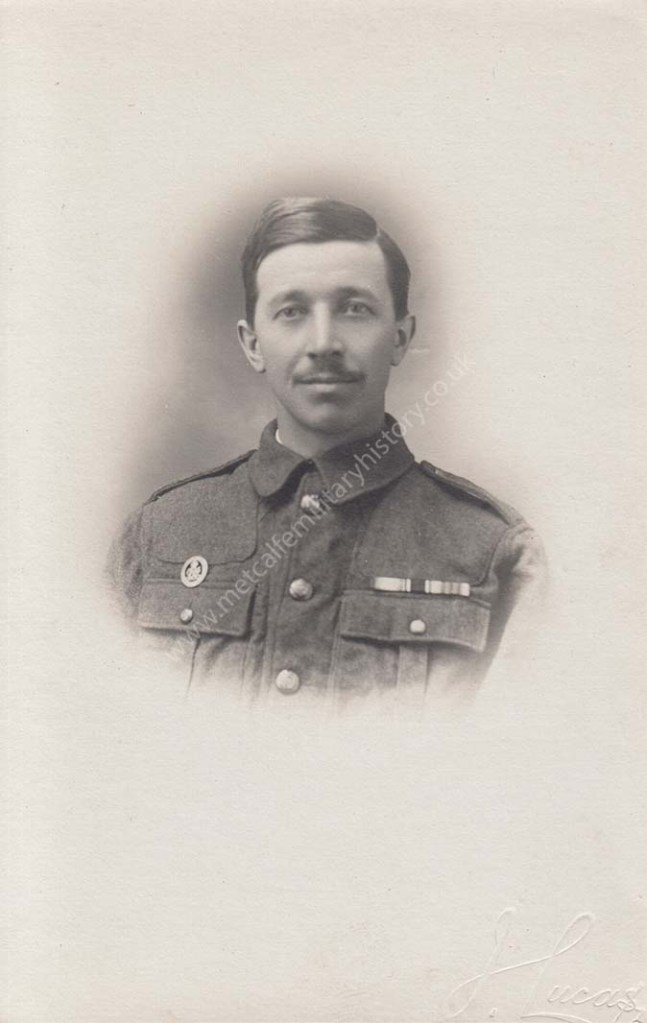
The badges themselves were issued with a certificate and came in a small cardboard box.
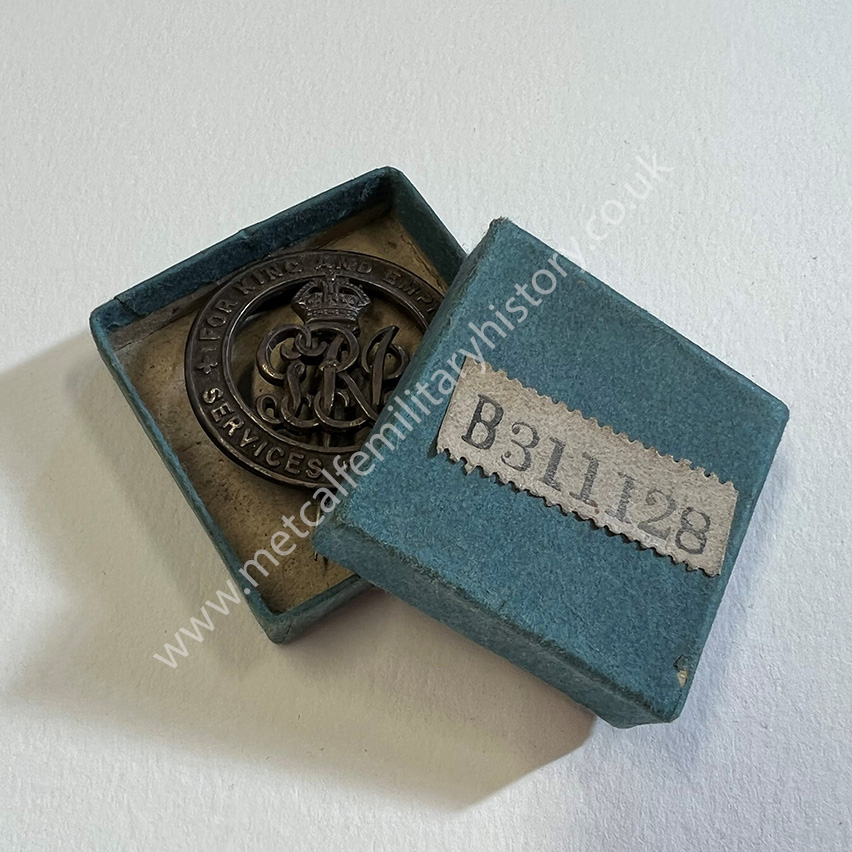
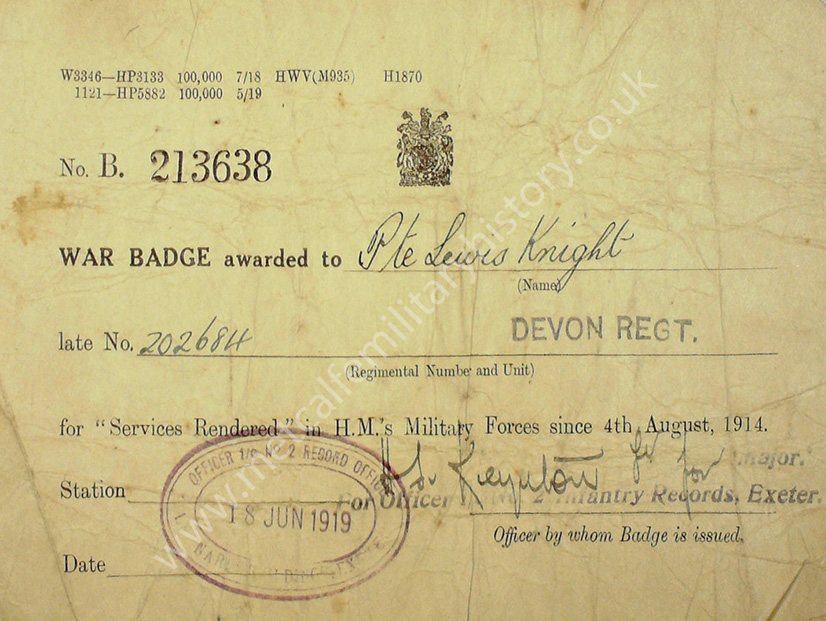
My thanks to The Keep Military Museum, Dorchester for allowing me to use photographs of the Silver War Badges in the collection.


One thought on “The Silver War Badge”